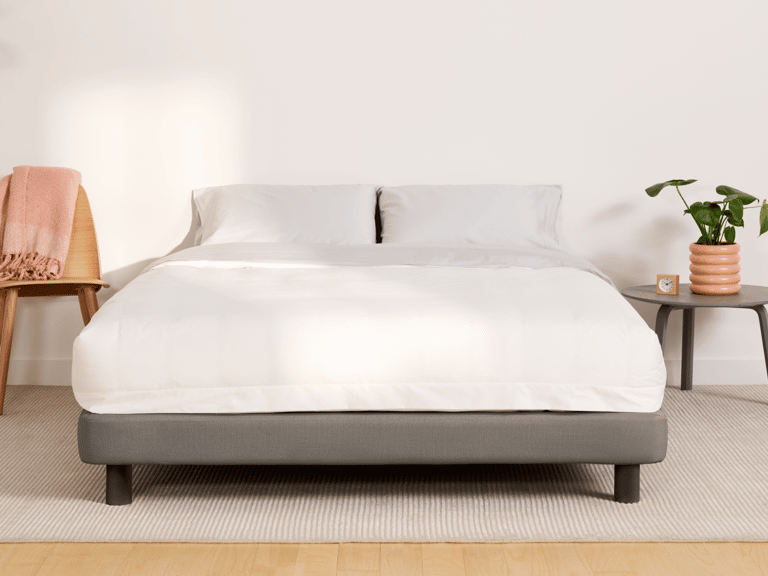
A National Geographic–style exploration of what makes a mattress truly organic, how certifications safeguard purity, and why city living colors every choice—from materials to maintenance. We also meet three influential figures across time who shaped our understanding of sleep, design, and sustainable living.
Introduction: What Makes a Mattress Organic?
The term “organic” in the context of mattresses is not a single material, but a philosophy of sourcing, processing, and finishing that aims to minimize synthetic additives, reduce environmental impact, and promote healthier sleep. At its core, an organic mattress is built from materials that carry recognized certifications and are produced through processes that limit chemical exposure, both to the sleeper and to the planet.
A modern organic mattress typically comprises a combination of natural or certified organic components for the core support, comfort layers, and cover. Common core materials include natural latex harvested from rubber trees, organically grown cotton or wool for comfort and temperature regulation, and organic base foams or natural fiber composites that avoid ozone-depleting substances and volatile organic compounds (VOCs). The cover may be crafted from organic cotton or other natural fibers that are breathable and durable.
Certifications function as guardrails for purity and sustainability. Among the most influential are Global Organic Textile Standard (GOTS) for textiles, Global Organic Latex Standard (GOLS) for latex, OEKO-TEX for safety testing, and CertiPUR-US for foam components. These standards help consumers differentiate truly organic products from those that merely bear green marketing. In urban settings, where living spaces often compress moisture, heat, and allergen exposure, these materials and certifications translate into tangible daily benefits: better temperature regulation, fewer irritants, and longer-lasting comfort.
Materials at a Glance: What to Expect
Organic mattresses draw from several core materials, each with a distinct role in comfort, support, and climate control. Below is a concise map of common components, what they do, and how they interact in urban bedrooms.
- : Derived from the sap of rubber trees, latex provides responsive, pressure-relieving support. It’s naturally breathable and resistant to mold and dust mites when properly cured. Organic latex often carries a GOLS certification, ensuring purity and sustainable farming practices.
- : Used in covers and sometimes as comfort layers, organic cotton offers softness and durability. It’s typically grown without synthetic pesticides, leading to lower environmental impact and reduced dermal exposure for sleepers.
- : A natural regulator of temperature and humidity, wool acts as a breathable buffer that keeps the sleeper cool in summer and warm in winter. It’s naturally hypoallergenic and helps wick moisture away from the body, a boon for urban apartments with varied humidity.
- : When foams are used in organic mattresses, they are typically formulated with fewer volatile organic compounds and are certified for low emissions. In some models, plant-based or bio-based foams reduce reliance on petroleum-based binders.
- : The outer textile layer often uses GOTS-certified organic cotton, sometimes blended with wool or other natural fibers to enhance breathability and softness while maintaining durability.
Urban Sleep Considerations: How City Life Shapes Material Choice
Urban dwellers navigate a unique sleep landscape shaped by apartment layouts, building materials, climate control, and external stimuli such as traffic noise and light pollution. Organic mattresses can be particularly well-suited to these conditions for several reasons:
- Organic cotton and wool covers promote air movement and moisture management, helping regulate temperature in compact bedrooms that heat up quickly during warm urban nights.
- Tight urban air can carry pollutants and dust. A well-sealed organic cover reduces skin contact with potentially irritant residues, especially when paired with certified components that limit off-gassing.
- Urban bedrooms often see frequent rearrangement of furniture. Organic mattresses that emphasize robust, natural materials tend to resist wear over time, providing consistent support even as interiors evolve.
- Many organic mattresses are designed with washable or removable covers, aiding in hygiene in shared living spaces or rental apartments where maintenance standards vary.
Certifications: A Compass for Purity
Certifications are not just bureaucratic labels; they are a practical shorthand for buyers to navigate the market. In an era of omnipresent product claims, third-party verification provides a credible signal that materials have been produced and processed under strict standards.
GOTS (Global Organic Textile Standard) governs textiles, including the cotton fiber and fabric covers used in mattresses, ensuring organic status from harvest to packaging. GOLS (Global Organic Latex Standard) focuses on latex, validating the purity of latex and the absence of unwanted additives. OEKO-TEX tests textiles for harmful substances across the supply chain. CertiPUR-US, widely used for foams, sets limits on emissions, plus content, and durability criteria. When shoppers see these marks, they gain confidence that the mattress they are considering aligns with environmental values and health considerations.
Three Points of View: Key Figures Across Time
To illuminate how organic sleep thinking has evolved, we meet three pivotal individuals who, though separated by eras, each advanced our understanding of materials, design, and living well in urban environments.
1) Florence Nightingale (1820–1910)
Night owls and early reformers alike might not expect her to weigh in on mattresses, but Nightingale’s pioneering focus on sanitary conditions, hygiene, and the built environment laid the groundwork for how we think about sleep health in dense urban settings. Her insistence on clean sleeping environments, proper ventilation, and the careful design of hospital and home interiors foreshadowed later concerns about allergen exposure and air quality in urban bedrooms. Her legacy reminds us that the space we inhabit for sleep is inseparable from our overall well-being.
2) Nikola Tesla (1856–1943)
Tesla’s relentless curiosity about electricity and energy efficiency translates, in the realm of sleep, to a respect for the systems that regulate comfort: climate control, lighting, and electromagnetic exposure. While not a designer of beds, his ethos of optimizing systems informs the urban bedroom’s focus on reducing external disturbances—noise, static, and heat transfer—that disrupt restorative sleep. In discussions of eco-conscious materials, Tesla’s era marks the birth of modern thinking about efficiency, sustainability, and the careful stewardship of resources in urban life.
3) Jane Jacobs (1916–2006)
Jacobs’s observations of urban life, walkability, and community-led streetscapes illuminate a vital truth about urban sleep: the city’s rhythm shapes our rest. Her advocacy for mixed-use neighborhoods and human-scale design translates into sleep-friendly apartment layouts, noise mitigation, and daylight access that support healthier circadian rhythms. Her perspective anchors the idea that sleep health is not merely a private concern but a public, urban one.
A Case Study: The Essex High Footboard Bed in an Organic Sleep System
Within the realm of organic sleep furniture, the Essex High Footboard Bed—crafted by Vermont Furniture Designs—offers a concrete example of how sustainability and aesthetics converge in a modern urban bedroom. This solid hardwood panel bed, finished with an eco-friendly, no-VOC linseed oil and wax finish, embodies a durable, timeless centerpiece. Its clean lines and substantial presence complement a calm, sleep-focused environment, while wood options allow homeowners to align the bed with their eco-values. The result is a bed frame that anchors a sleepless city to a tranquil night.
Materials and construction work in tandem with organic mattresses to create a holistic sleep ecosystem. The bed frame’s natural finish reduces off-gassing concerns and harmonizes with breathable organic textiles used in bedding, creating a cohesive, health-conscious sleep space that urban residents can rely on, night after night.
Practical Guide: Choosing an Organic Mattress for an Urban Bedroom
When selecting an organic mattress for a city apartment, consider how you use the space, the climate, and your sleep preferences. Ask questions about certifications, the provenance of materials, and the lifecycle of the product. In addition to the science behind the materials, think about ecosystem considerations: who produces the materials, how far do they travel, and what happens at the end of the mattress’s life?
A practical approach might involve evaluating the following steps: determine your sleep needs (firmness, contouring, and pressure relief), verify certifications for textiles and latex, inspect the cover and its washability, and assess the mattress’s temperature regulation properties. For urban bedrooms where space is at a premium, a mattress with excellent breathability and a removable cover simplifies cleaning and care, extending the life of your investment.
Product Spotlight: Essex High Footboard Bed as Part of an Organic Sleep System
In our exploration of an organic sleep ecosystem, the Essex High Footboard Bed stands as a complementary foundation to organic mattresses. While the bed frame itself is not a mattress, its construction and finish reflect a commitment to ecological responsibility and timeless design. The solid hardwood frame, finished with a no-VOC linseed oil and wax, echoes a larger ethic of minimizing off-gassing and embracing natural materials in the urban bedroom. Paired with an organic mattress and breathable textiles, this combination favors a tranquil, health-forward sleep environment that can withstand the demanding rhythms of city life.
For readers who want to visualize the integration: imagine the Essex bed as a steady, grounding presence in a compact urban room, with a mattress that uses certified organic latex or cotton, a wool layer for climate regulation, and a cover that breathes. The overall effect is one of calm and clarity, a sanctuary amid the city’s constant motion.
Price and availability vary by retailer and wood option, but the bed’s sustainability credentials remain a constant anchor in this design. The Essex High Footboard Bed exemplifies how a single piece of furniture can embody a broader environmental philosophy—an important consideration for city dwellers who want to balance beauty, function, and responsibility in their sleep spaces.
Conclusion: A Transparent Path to Healthier Urban Sleep
Organic mattresses, when chosen with care for materials, certifications, and lifecycle considerations, offer a durable pathway toward healthier sleep in urban environments. As cities continue to evolve, the alliance of science-backed materials, thoughtful design, and transparent standards will guide sleepers toward bed systems that are not only comfortable but also kind to the planet. In this way, the act of resting becomes a daily contribution to a more sustainable urban future.
If you’d like, I can draft a sample site map (pages and navigation) and a content calendar for the first 12 weeks to launch Direction A: Citywide Sleep Resources Portal, including editorials, explainers, city-specific resource roundups, and product context that remains informational rather than commercial.