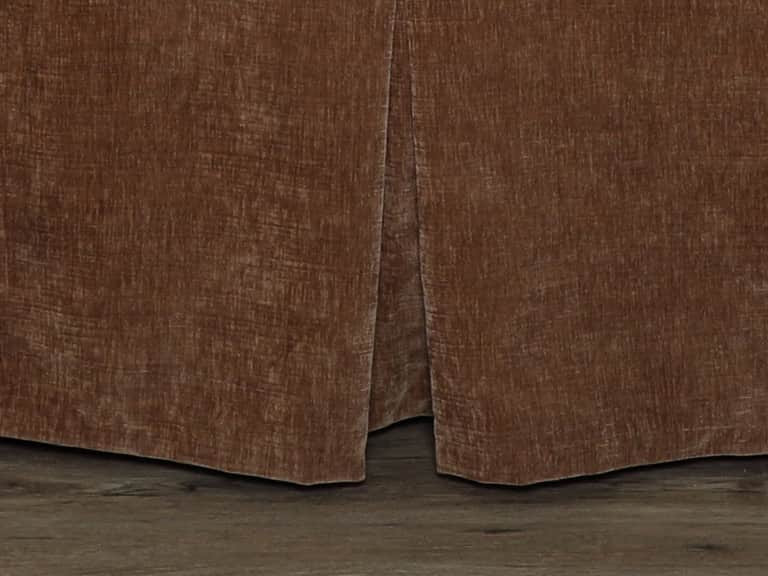
Duvet covers and bed skirts form essential components of a well-organized sleeping space, offering protective layers and aesthetic appeal while preserving the longevity of quilts, comforters, and linens. This category highlights fabric choices, closure types, and weave techniques that influence temperature regulation, durability, and ease of laundering within a residential bedroom environment. Understanding material science and construction helps optimize comfort and maintenance for daily use.
Key features to consider include thread count, fabric type (such as cotton, linen, or blends), and weave (percale, sateen, or duvet cover patterns) that affect tactile feel, breathability, and crease resistance. Bed skirts contribute to a clean under-bed silhouette and hide storage while aligning with room design. Compatibility with adjustable beds and diverse bed sizes ensures functional integration across bedroom layouts.
The DownTown Company Chelsea Duvet exemplifies how thoughtful design supports practical benefits: a durable outer fabric, reinforced stitching, and secure closures that prevent shifting during sleep. Functional benefits include easy laundering, improved nest stability for comforters, and a neat finished look that complements modern and traditional bedroom aesthetics alike. This combination emphasizes usability and long-term wear.
Materials selection plays a crucial role in allergy sensitivity, moisture management, and overall sleep quality. Natural fibers such as cotton offer softness and breathability, while blends may enhance durability and wrinkle resistance. Bed skirts with appropriate drop lengths and tailored seams help maintain a orderly bed presentation without obstructing under-bed access for cleaning or storage.
Within this category, the relationship between bedding components—sheets, duvet covers, and bed skirts—supports cohesive styling and functional layering. By examining fabric care guidelines, fit options, and fiber content, homeowners can tailor bedroom textiles to climate, sleep preferences, and furniture configurations, including organic mattresses and furniture-adjacent layouts.
 Bedding