Foam mattresses are renowned for their contouring support, pressure relief, and motion isolation. This category highlights variations in density, material composition, and layering that influence overall comfort, cooling, and durability. Understanding the differences helps determine suitability for alignment, spine support, and preferred firmness levels across diverse sleep preferences.
Open-cell and memory foam technologies often drive the performance of foam mattresses, with zoned support systems providing targeted reinforcement for hips, shoulders, and lower back. Key features to note include move-in response, temperature regulation strategies, and durability ratings that impact long-term comfort and shape recovery over time.
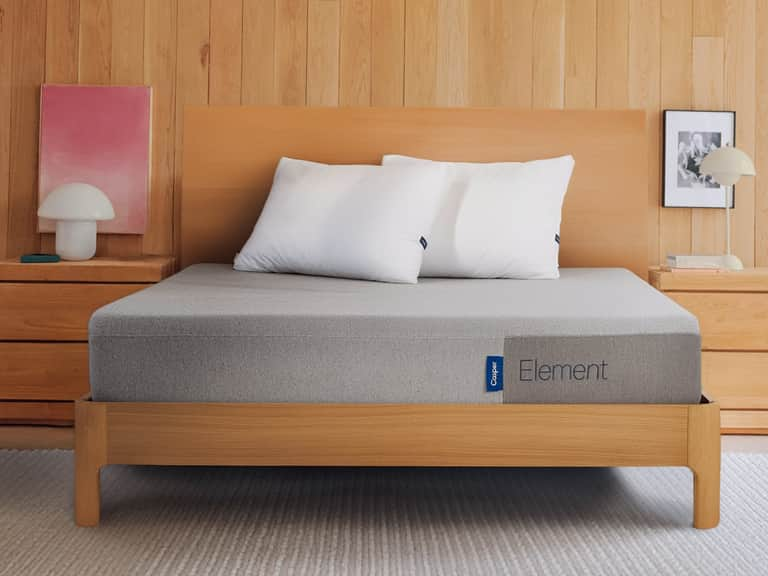
Element Mattress exemplifies the range of foam-based options, offering layered construction that balances cushioning with structural support. Features such as high-density transition foams and breathable covers contribute to comfort durability, while a well-structured core aids in proper spinal alignment and even weight distribution for restful sleep.
For compatibility with diverse sleep setups, foam mattresses pair well with adjustable foundations and compatible pillow configurations. Consider the mattress’s cooling capabilities, edge support, and motion isolation when evaluating suitability for shared beds or different room environments, ensuring a stable, supportive sleep surface.
In addition to core comfort, materials and hygiene considerations are important, including certifications, antimicrobial fabrics, and ease of cleaning. By examining product features such as density, durability, and and layered construction, users can assess how foam mattresses align with bedding essentials like sheets, pillows, and organic mattress options.
 Mattresses